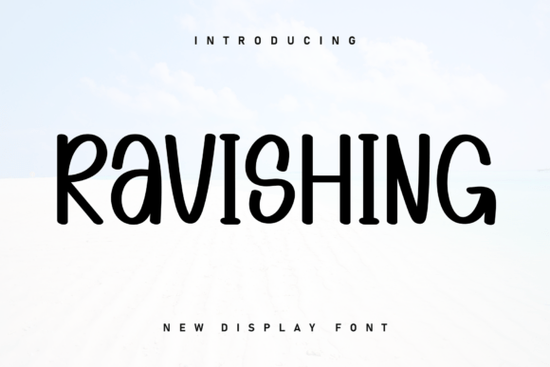
Finding the right balance between professional and personal can be tough when selecting typography for a new project. You want something that feels human and approachable but still maintains a level of sophistication. The Ravishing Font offers a handwritten look that mimics the stroke of a marker, providing a relaxed vibe without sacrificing elegance. This specific style works well for creators who need their designs to feel authentic rather than overly polished. Whether you are building a brand identity or creating custom greeting cards, this typeface bridges the gap between casual sportiness and luxury.
Why choose a marker-style typeface for branding?
Many small business owners hesitate to use handwritten styles because they worry about readability or perceived value. However, a well-designed script can convey trust and personality faster than a standard sans-serif. When customers see a marker-style font, they often associate it with something crafted by hand, which implies care and attention to detail. This is particularly useful for industries like fashion or boutique marketing where uniqueness is a selling point.
If you are exploring different vibes for your logo, you might compare this relaxed feel against elegant wedding typography options. While romantic scripts are perfect for formal invitations, a sporty handwritten font like this one suits lifestyle brands better. It suggests energy and movement. You can pair it with a clean sans-serif for body text to ensure clarity while keeping the headline full of character. This combination helps maintain professionalism while allowing your brand voice to shine through clearly.
Where does this font work best in commercial projects?
The versatility of this typeface makes it suitable for a wide range of print-on-demand products and physical goods. Lookbooks, for instance, benefit from headings that feel like they were sketched directly onto the page. It adds a layer of texture to digital files that might otherwise feel flat. Marketing promotions also gain traction when the text feels urgent and personal, rather than generated by a machine.
For those working on niche projects, such as nursery decor or specific themed events, you might consider how this compares to niche themed typography. While themed fonts are great for specific occasions, a versatile handwritten font can be reused across multiple product lines. You could use it on t-shirts, mugs, or tote bags without it feeling out of place. The key is to ensure the stroke weight remains visible even when resized for smaller items like stickers or labels.
How does it compare to other display options?
When browsing through library collections, you will encounter many different styles of display text. Some are bold and heavy, while others are thin and delicate. This marker style sits in the middle, offering enough weight to be legible from a distance but enough fluidity to feel organic. If you need something tighter for a layout with limited space, you might look at space-saving lettering alternatives. However, for maximum impact on social media graphics or posters, the open structure of a handwritten font often performs better.
It is also worth noting how this style fits into modern design trends. Many current layouts favor authenticity over perfection. If you are interested in seeing how this stacks up against modern display typefaces, you will notice the human element makes a significant difference. Digital fonts can sometimes feel cold, whereas a marker style introduces warmth. This warmth helps convert viewers into buyers because the design feels more relatable and less corporate.
What are the best pairing strategies for this style?
Using a handwritten font effectively requires knowing what to put next to it. You generally do not want to pair it with another script, as this creates visual conflict. Instead, opt for a simple geometric sans-serif or a classic serif for supporting text. This creates a hierarchy where the handwritten element acts as the accent. For projects that need a bit more playfulness, you could explore playful handwritten options to see how different weights interact, but keeping the pairing simple is usually the safest bet for commercial work.
Remember to test your combinations on actual mockups before finalizing any design. What looks good on a screen might not translate well to fabric or paper. Print a test sheet to check the ink density and stroke clarity. If the marker lines bleed too much on certain materials, you may need to adjust the size or switch to a material with a smoother finish. Taking these small steps ensures the final product matches the quality of the design file.
Quick Checklist for Using Handwritten Fonts
- Check Legibility: Ensure the text is readable at small sizes, especially on mobile devices.
- Limit Usage: Use the font for headings or short phrases rather than long paragraphs.
- Test Contrasts: Make sure the stroke color stands out clearly against the background.
- Verify Licensing: Always confirm the license allows for commercial use on physical goods.
- Pair Wisely: Combine with simple, neutral fonts to avoid visual clutter.
By following these guidelines, you can integrate this style into your workflow confidently. It provides a unique aesthetic that helps products stand out in crowded marketplaces. Take the time to experiment with spacing and kerning to get the most natural look possible. With the right application, this typeface can become a staple in your design toolkit for years to come.
Download Now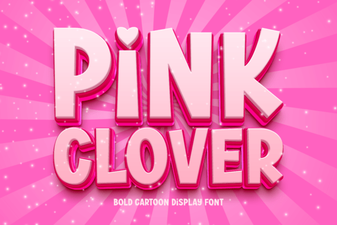 Pink Clover Font: Elegant Design for Creative Projects
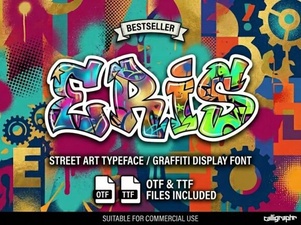 Eris Font: a Creative Design Asset
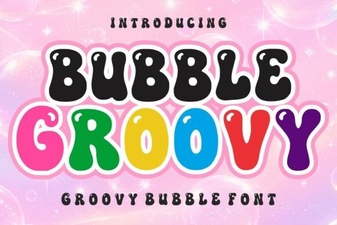 Bubble Groovy Font Design & Creative Applications
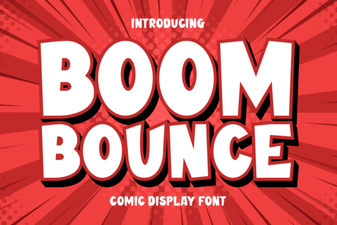 Boom Bounce Font: a Guide to Dynamic Design
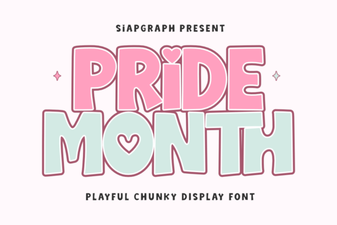 Creative Font Designs for Your Pride Month Projects
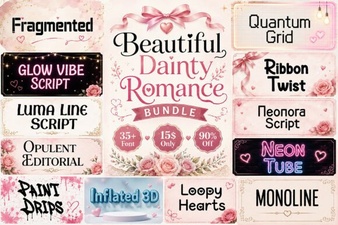 Crafting with Elegant Romance Font Styles