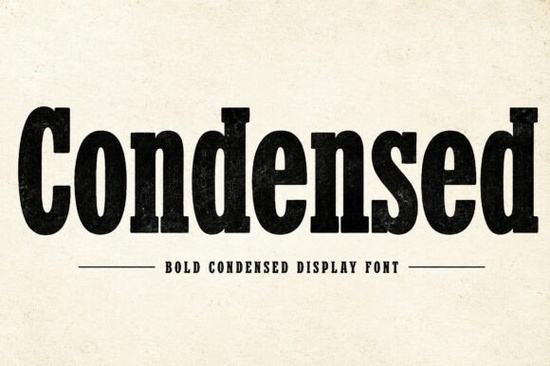
Designers often struggle when they have a lot of text but limited space to work with. This is where a strong typeface becomes essential for maintaining clarity. The Condensed Font offers a practical solution by combining tall, narrow letterforms with a vintage-inspired character. It allows you to fit more words into headlines without shrinking the size too much. Whether you are making a poster or a logo, readability stays high even when space is tight. This specific style helps brands communicate bold messages without cluttering the layout.
Why do narrow letterforms work well for headlines?
When you are designing for print or web, horizontal space is often the most valuable real estate. A standard width font might require you to reduce the font size to fit a long title on a single line. By choosing a condensed style, you maintain a large point size while reducing the overall width. This creates a strong visual impact that draws the eye immediately. It is particularly useful for packaging labels where shelf space is competitive. You can include necessary product information without sacrificing the bold look of the brand name. The structure supports readability even from a distance, which is crucial for advertising materials.
Sometimes, you might want to mix different styles to create hierarchy. For example, pairing a narrow headline font with a softer body text can create balance. If you are looking for something more playful to contrast with a bold header, you might explore options like the Frog font. These combinations help guide the viewer's eye through the design logically. The key is to ensure the contrast is clear enough to distinguish between titles and details.
Which projects benefit from vintage aesthetics?
There is a growing trend toward heritage branding and retro-inspired designs. Consumers often associate vintage typography with quality and tradition. This makes it an excellent choice for craft breweries, coffee shops, and artisanal goods. A typeface with character can tell a story before the customer even reads the description. If you are working on a project that requires a bit more flair or energy, you might consider something like Boom Bounce to add movement. However, for a timeless look, sticking to structured vintage forms ensures the design does not feel dated too quickly.
Apparel design is another area where these fonts shine. T-shirt graphics need to be legible when printed on fabric. The bold strokes of a condensed typeface hold up well during the printing process. You can stack text vertically or horizontally without losing impact. For softer projects, like children's products or invitations, a font like Sweet Sprinkles might be more appropriate. Knowing when to use a strong display font versus a decorative script is part of creating a cohesive collection.
How do you ensure readability on merchandise?
Testing your typography before finalizing a design is critical. What looks good on a screen might not translate well to a physical product. Always print a test copy at actual size to check the spacing. Kerning, or the space between individual letters, often needs adjustment in condensed fonts to prevent them from looking too cramped. If the letters touch, legibility suffers. You want the negative space to work for you, not against you. This attention to detail separates amateur designs from professional ones.
Licensing is another factor to consider before downloading. Ensure the font allows for commercial use if you plan to sell items featuring the text. Many creators offer personal and commercial licenses separately. It is worth checking the specific terms for each typeface. For a robust selection of display options, you might also look at the Ravishing collection to compare styles. Having the right license protects your business from legal issues down the line.
What should you check before downloading a new typeface?
Before adding a new font to your library, verify the file formats included. Most professional designs require OpenType (OTF) or TrueType (TTF) files for compatibility with software like Adobe Illustrator or Photoshop. Check if the font includes special characters or ligatures that might enhance your design. Some typefaces come with multiple weights, giving you flexibility for both headers and subheaders. Having these options in one family saves time during the design process.
Finally, think about longevity. Trends change, but classic structures remain useful. A well-chosen condensed font can serve your brand for years without needing a refresh. It provides a solid foundation for your visual identity. By focusing on readability and appropriate styling, you ensure your message is received clearly.
Quick Design Checklist
- Check Licensing: Confirm commercial rights before selling products.
- Test Print: Always print a physical proof to check legibility.
- Adjust Kerning: Ensure letters are not too close together in narrow fonts.
- Pair Wisely: Combine bold headers with simpler body text for balance.
- Verify Formats: Make sure the download includes OTF or TTF files.
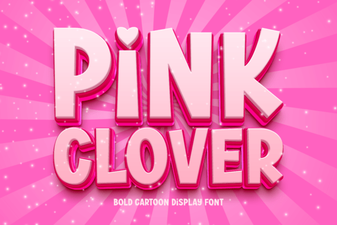 Pink Clover Font: Elegant Design for Creative Projects
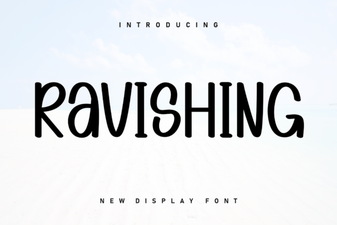 Ravishing Fonts for Creative Projects & Design Impact
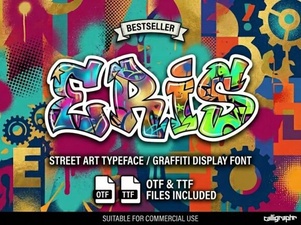 Eris Font: a Creative Design Asset
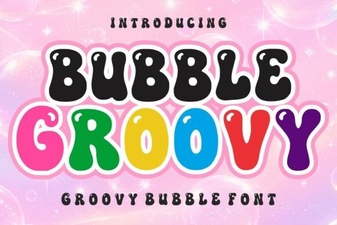 Bubble Groovy Font Design & Creative Applications
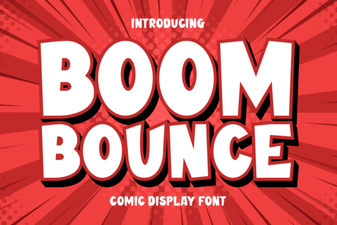 Boom Bounce Font: a Guide to Dynamic Design
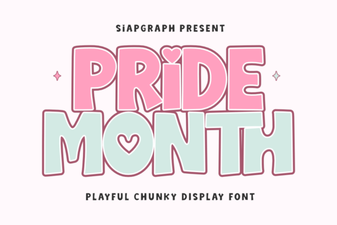 Creative Font Designs for Your Pride Month Projects