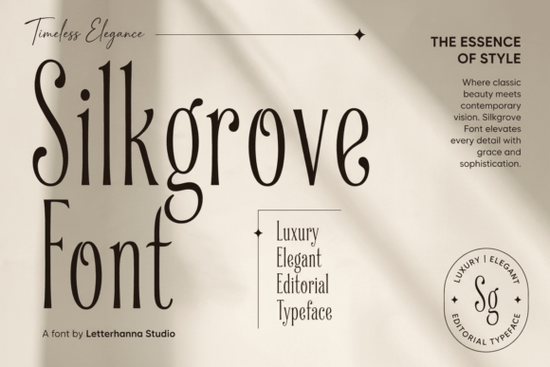
When you are working on a project that needs to feel elegant without being heavy, finding the right typeface is crucial. The Silkgrove Font is designed exactly for this purpose. It is an ultra-condensed serif display typeface that focuses on vertical emphasis and clean proportions. Many designers struggle to find a font that commands attention without shouting, and this option offers a quiet confidence that works well in luxury branding and editorial layouts.
Choosing a condensed serif can be tricky. You want something that saves space but still remains readable. This typeface uses thin, delicate strokes with subtle contrast between thick and thin lines, which is characteristic of a Modern serif influence. The terminals are gently curved, and the serifs are minimal. This gives it an architectural quality that feels tall and structured. If you want to see a more detailed breakdown of this specific style, you can review our detailed overview page for additional context on its construction.
What makes this typeface unique?
The design philosophy behind this font is about restraint. It was inspired by the stillness of a silk grove at dawn, where light filters through leaves in vertical threads. This imagery translates into letterforms that rise like tall trees standing close together. Each letter has enough space to breathe, but the condensed width keeps everything tight and organized.
Unlike heavier display fonts, the strokes here are light. They might look fragile at first glance, but they hold their ground with poise. There is a whisper of Didone DNA in the curves, creating tension between hairline thins and slightly fuller verticals. This makes it distinct from standard serifs. It is not decorative in a loud way; it is precise. For designers who prefer minimalism, this precision is often more valuable than ornate details.
Where does this style work best?
Because of its towering silhouette, this typeface shines in specific contexts. It is ideal for editorial designers who need to fit large headlines into narrow columns. It also belongs on perfume packaging, poetry collections, and high-fashion lookbooks. If you are creating minimalist café menus or film title sequences that begin in silence, this font helps set that mood immediately.
- Luxury Branding: The light weight suggests sophistication.
- Wedding Stationery: The elegant proportions fit formal invites.
- Product Packaging: The condensed width saves space on labels.
- Editorial Headers: It creates strong vertical rhythm on the page.
When you use it, remember that white space is your friend. Do not crowd the letters. Let the upward reach of the characters stand out against a clean background. This ensures the audience leans in rather than looks away.
Are there similar options to consider?
Sometimes you need a variation depending on the project vibe. If you are looking for something with a bit more organic flow, you might explore the Grass font. It offers a different take on serif structures, often feeling more natural and less architectural. You can compare these styles by visiting our section on organic alternatives to see which fits your mood board better.
Another option for modern projects is the Qelvora font. This typeface might offer different weight distributions or terminal styles while staying within the serif family. We have compiled a list of modern variations that pair well with condensed layouts. Testing multiple options side-by-side is the best way to ensure consistency across your brand assets.
How do you pair condensed serifs?
Pairing a condensed serif like this requires balance. Since the vertical strokes are strong and thin, you need a secondary font that does not compete for attention. A simple sans-serif with neutral weights often works best for body text. Avoid using another condensed font for paragraphs, as it can become hard to read over long distances.
Keep the hierarchy clear. Use the condensed serif for headlines, pull quotes, or logos. Let the supporting text do the heavy lifting for readability. If you are designing for web, ensure the line height is generous. The delicate strokes can get lost on low-resolution screens if the sizing is too small.
Typography is about communication first. Even though this font is stylish, it must remain legible. Test your designs in real-world conditions. Print a sample label or view your web mockup on a phone. If the thin strokes disappear, you may need to adjust the weight or size. Restraint is powerful, but clarity is essential.
Quick Checklist for Using Condensed Serifs
- Check legibility at small sizes before finalizing.
- Pair with a neutral sans-serif for body text.
- Use ample white space around headlines.
- Avoid all-caps for long sentences.
- Test on both print and digital screens.
Start by downloading the typeface and testing it with your existing brand colors. See how the thin strokes interact with your background. If you need more inspiration, browse through recent design trends in luxury packaging to see how others are utilizing vertical emphasis. The right font choice can turn a blank page into a gallery wall.
Get Started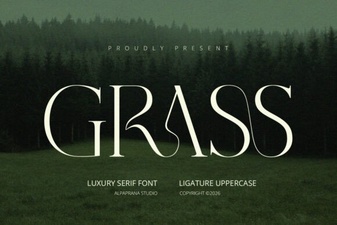 Grass Font: a Natural Design Element for Your Projects
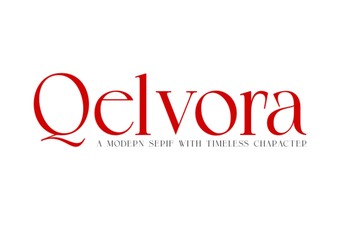 Qelvora: a Modern Font for Creative Projects
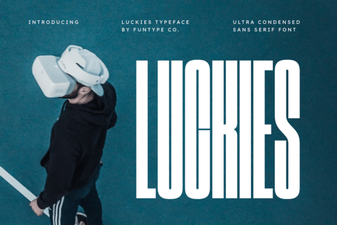 Luckies Font: Free & Fun Typography for Creative Projects
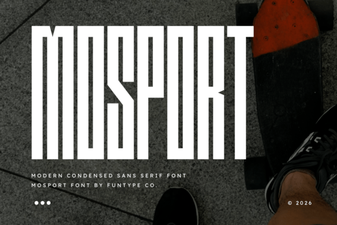 Mosport Font: Free Retro Racing Font for Designers
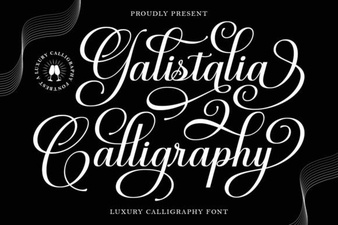 Galistalia Font: Creative Lettering & Design Projects
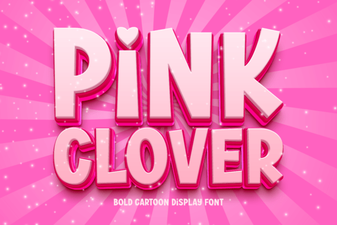 Pink Clover Font: Elegant Design for Creative Projects