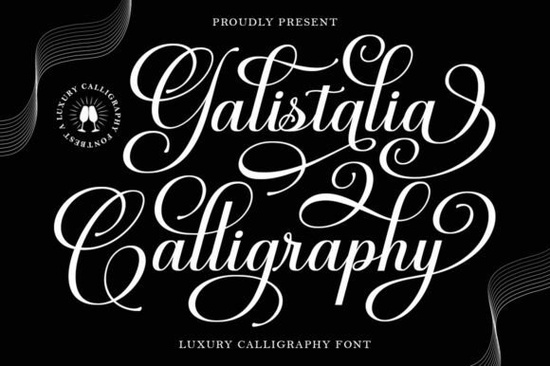
When you need a typeface that feels expensive without trying too hard, finding the right script can be difficult. The Galistalia Calligraphy Font solves this by mixing classic copperplate details with modern bold strokes. It is designed for creators who want sophistication in their work, whether that is for a wedding invitation or a new logo. This typeface stands out because it remains readable even at smaller sizes, which is often a struggle with decorative scripts.
Many designers look for fonts that balance femininity with strength. This option delivers clean lines that feel sensual but not overly fragile. The letter connections are built to flow naturally, reducing the need for manual kerning adjustments in your design software. If you have worked with difficult scripts before, you will appreciate how the glyphs connect without creating awkward gaps or overlaps.
What Makes This Script Stand Out from Others?
The core appeal lies in the hybrid style. Traditional calligraphy can sometimes look too old-fashioned for modern branding. On the other hand, modern brush fonts might lack the refinement needed for luxury packaging. This font bridges that gap. It uses high contrast between thick and thin strokes, a hallmark of classic calligraphy, but maintains a bold presence that grabs attention on social media or storefronts.
Readability is a major factor for commercial projects. You might love a messy script for a personal journal, but clients need clarity. The characters here are distinct, ensuring that customers can read business names or menu items quickly. If you are exploring different vibes, you might compare this to luxurious textural options to see how weight affects perception. Heavier fonts often convey stability, while lighter scripts feel more delicate.
Where Should You Use This Typeface?
Versatility is key when buying digital assets. You want a font that works across multiple mediums without losing its charm. Here are the best applications for this specific style:
- Wedding Invitations: The elegant curves match formal paper stocks and engraving techniques.
- Beauty Packaging: Labels for cosmetics benefit from the feminine and clean aesthetic.
- Restaurant Menus: Headings stand out clearly against descriptive text.
- Logos: Works well for boutiques, salons, and lifestyle brands.
- Social Media Graphics: Bold enough to be read on mobile screens.
For projects that require a bit more playfulness, you might pair this with cheerful brush scripts for secondary text. Using two different scripts can create hierarchy, but be careful not to make the design look cluttered. Stick to one dominant script for headings and use a simple sans-serif for body copy.
How Do You Pair It with Other Fonts?
Script fonts rarely work alone in a full layout. They need support from neutral typefaces to let the decorative elements shine. A clean sans-serif is usually the safest bet. It provides a solid foundation that doesn't compete with the curls and swashes of the calligraphy. If you want to create a mood board, consider how flowing handwritten styles interact with geometric shapes. The contrast between organic curves and straight lines creates visual interest.
When designing for fashion or magazines, whitespace is your friend. Do not crowd the script. Give the letters room to breathe, especially around the swashes that extend above or below the baseline. If you are working on a project that needs more attitude, looking at bold personality fonts can inspire how you arrange your layout. Sometimes breaking the grid slightly can make the design feel more dynamic.
Technical Tips for Best Results
To get the most out of this font file, enable OpenType features in your software. This allows you to access stylistic alternatives and ligatures. These features change the shape of certain letters or how they connect, giving you unique variations every time you type a word. This is crucial for logos where you do not want your design to look like a default template.
Color choice also impacts how the font is perceived. Dark colors like navy, charcoal, or deep burgundy enhance the luxury feel. Pastels work well for wedding stationery. Avoid neon colors unless you are aiming for a specific ironic pop-art look, as it clashes with the traditional copperplate roots. For a summer campaign, you might test it against relaxed vacation vibes to see if the tone matches your brand voice.
Always test your design in grayscale before finalizing colors. If the script loses readability without color, it might be too thin or complex for the intended size. Print a test sheet at 100% scale. Screens often hide details that become obvious on paper, especially for fine calligraphy strokes.
Final Checklist for Your Project
Before you finalize your design files, run through this quick list to ensure professional results:
- Check all letter connections for awkward spacing.
- Ensure the font size is large enough for legibility on mobile devices.
- Verify that stylistic alternatives are enabled for unique letterforms.
- Pair with a simple sans-serif for body text to maintain balance.
- Print a physical proof to check stroke weight and clarity.
Choosing the right typography sets the tone for your entire brand. By selecting a typeface that balances tradition with modern needs, you create assets that remain relevant longer. Take your time to experiment with the ligatures and spacing, as these small details make the biggest difference in perceived quality.
Explore Design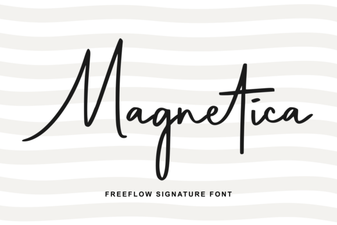 Enhance Projects with Magnetica Modern Font Design
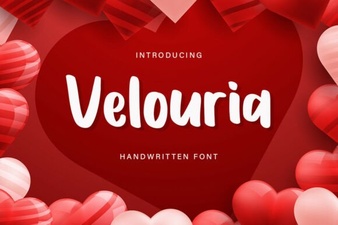 Velouria Font: Design Your Creative Projects
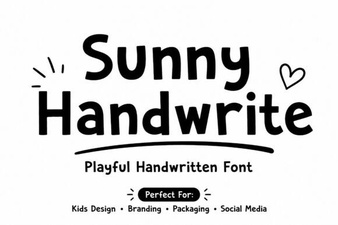 Sunny Handwriting Font: Creative Projects and Design Tips
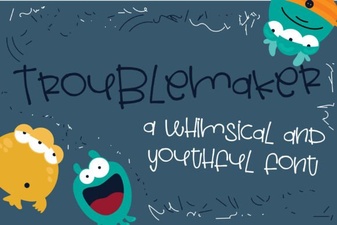 Introducing the Troublemaker Font for Creative Projects
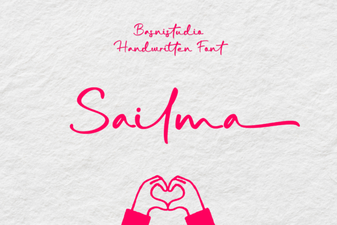 Sailma Font for Creative Design Projects
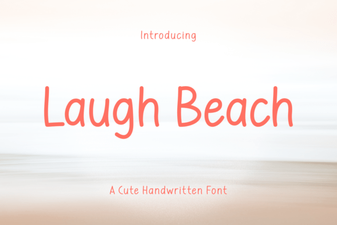 Laugh Beach: a Playful Font for Creative Projects