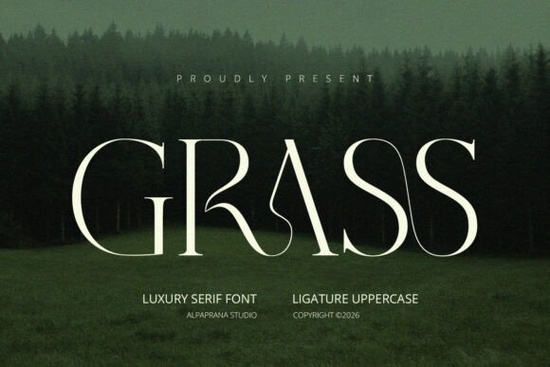
Designers often struggle to find a serif typeface that doesn't feel old-fashioned or overly traditional. You want something that carries the weight and authority of a classic font but still feels fresh enough for a modern startup or a trendy clothing brand. That is exactly where Grass Font fits in. It bridges the gap between traditional typography and contemporary design trends, offering a clean aesthetic that works across various mediums.
This typeface is designed to be versatile. Whether you are creating a logo for a local coffee shop or designing packaging for a new skincare line, the sharp yet elegant lines of this font provide a professional look without being boring. It captures a "modern feel" while retaining the readability that serifs are famous for.
What makes this typeface stand out for branding?
When building a brand identity, consistency is key. Grass Font provides a solid foundation because it includes both uppercase and lowercase characters, along with numerals and punctuation. This means you aren't limited to just headlines; you can use it for body text in magazines or on product packaging where legibility matters.
The "modern feel" mentioned in the description comes from its balanced stroke contrast. It isn't too thick or too thin, which makes it highly legible on digital screens as well as in print. If you are exploring modern serifs to build a mood board, you might also compare this with styles like Qelvora, which shares a similar contemporary sensibility but offers a different structural vibe.
For branding projects, the inclusion of OpenType features is a significant plus. This font supports ligatures and alternative stylistic sets. These features allow you to customize how certain letter combinations look, giving your logo or headline a unique touch that isn't available in standard system fonts.
Is it suitable for print-on-demand and apparel?
Yes, this is an excellent choice for print-on-demand (POD) sellers. T-shirts, tote bags, and hoodies require fonts that remain clear even when printed on textured fabrics. The serifs in this typeface are distinct enough to hold their shape but not so intricate that they get lost on a cotton blend.
It works particularly well for:
- Logotypes: The clean lines make for memorable brand marks.
- Poster Design: It commands attention in large sizes.
- Book Covers: It adds a literary yet modern touch to fiction and non-fiction titles.
- Photography Watermarks: It is elegant enough not to distract from the image.
While some designers prefer the fluid, handwritten curves of Silkgrove for wedding invitations or soft, romantic branding, Grass offers a sturdier structure. This makes it a better choice for businesses that want to project reliability and strength, such as law firms, architectural studios, or high-end retail stores.
How easy is the installation process?
One of the most frustrating parts of buying digital assets is dealing with complicated file formats. Fortunately, this product simplifies that process. It comes in the three most common web and desktop formats: OTF, TTF, and WOFF.
This compatibility ensures that whether you are working on a PC or a Mac, the installation is straightforward. For web designers, the WOFF file is essential for embedding the font directly into a website without slowing down page load speeds. You can view the full character set and technical specifications for Grass Font on the product page to ensure it meets your specific project requirements before downloading.
Additionally, the font includes multilingual character support and accents. This is crucial for small businesses operating in international markets or designers working with clients who need text in languages other than English. You won't have to swap fonts halfway through a project just because you need a specific accent mark.
Design tips for getting the best results
To get the most out of this typeface, consider how you pair it with other elements. Because it has a strong personality, it pairs well with simple, sans-serif fonts for body copy. This creates a hierarchy where the serif font draws the eye to the most important information, like a headline or a call to action.
When using it for logos, try experimenting with the tracking (letter spacing). Increasing the spacing slightly can make the font feel more luxurious and high-end, which is perfect for beauty or fashion brands. Conversely, tightening the spacing can make it feel more compact and urgent, suitable for sale posters or event flyers.
If you are ready to start your project, you can access the full download package here: Grass Font. Having the right tools in your library saves time during the creative process, allowing you to focus on the layout and imagery rather than struggling with typography.
For more inspiration on how serif fonts are being used in current design trends, you can reference industry standards at Grass Font to see how other creators are utilizing similar styles in their portfolios.
Quick Checklist Before You Download
Before you finalize your purchase or start your design, run through this quick list to ensure this font is the right fit:
- Check your license: Ensure the license covers your intended use, especially if you are selling physical products like t-shirts.
- Test the ligatures: Open the font in your design software and type common letter pairs to see if the alternative styles improve the flow of your text.
- Verify language support: If your project involves non-English text, double-check that the specific accents you need are included in the multilingual character set.
- Pair it up: Select a secondary sans-serif font to go with it for body text to ensure your final design is balanced.
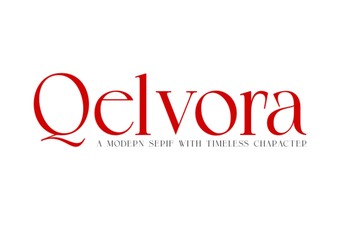 Qelvora: a Modern Font for Creative Projects
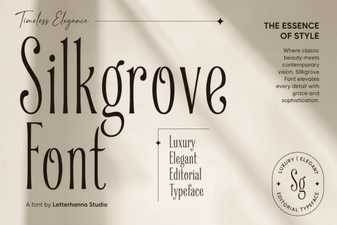 Silkgrove Font: the Perfect Blend of Style & Function
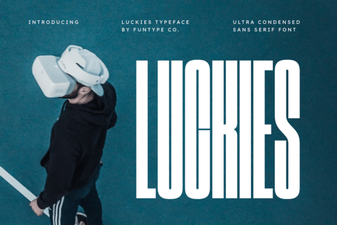 Luckies Font: Free & Fun Typography for Creative Projects
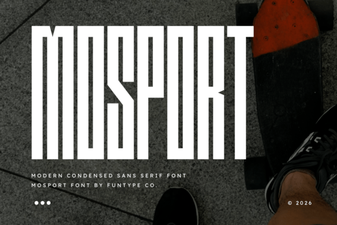 Mosport Font: Free Retro Racing Font for Designers
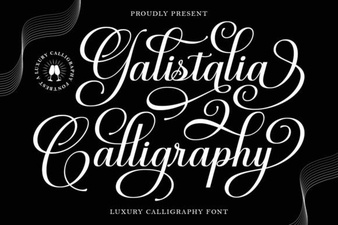 Galistalia Font: Creative Lettering & Design Projects
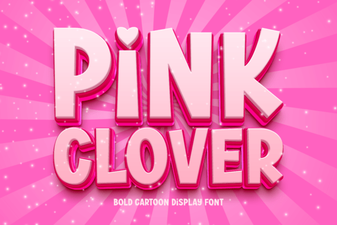 Pink Clover Font: Elegant Design for Creative Projects