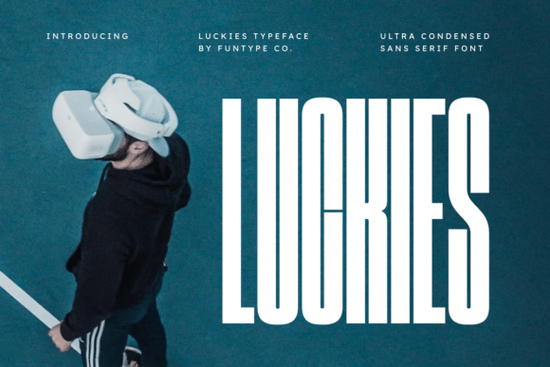
When you need typography that commands attention without taking up too much horizontal space, Luckies Font offers a compelling solution. This typeface is built for designers who need to make a statement quickly, whether on a screen or a printed surface. Its ultra-condensed structure allows you to fit large text into tight layouts while maintaining a heavy, impactful presence. If you are working on branding for a tech startup, designing sports merchandise, or creating event posters, this tool provides the geometric precision required for modern visuals.
The design relies on clean block lines and a tall x-height, which gives it a futuristic and sophisticated look. Unlike rounded or handwritten styles, this font prioritizes strength and clarity. It works exceptionally well when you need the text to act as a graphical element itself. Because it is a sans serif, it avoids unnecessary decoration, keeping the focus strictly on the message. This makes it a reliable choice for professional projects where readability at a distance is crucial.
What kind of projects work best with this typeface?
Due to its narrow geometry, this font shines in scenarios where space is limited but impact is necessary. It is an excellent fit for headlines on digital banners where pixel width is constrained. Sports teams often look for this specific style to create logos that look aggressive and confident on jerseys. The heavy weight ensures the text remains legible even when scaled down slightly or viewed from afar.
Technology brands also benefit from this aesthetic. The clean lines suggest innovation and precision, aligning well with software interfaces or hardware packaging. If you are selling print-on-demand items like t-shirts or hoodies, using a condensed bold font can help maximize the print area while keeping the design striking. For those exploring similar athletic styles, you might consider browsing similar bold typefaces to compare weights and curves before making a final decision.
However, it is important to recognize where this style might not fit. Because the letters are so narrow and heavy, it is not suitable for long paragraphs of body text. Readers can fatigue quickly when trying to scan dense information written in an ultra-condensed style. For projects involving educational worksheets or children's books, you would typically want something with more open spacing. In those cases, exploring educational design resources would be a smarter approach to ensure comfort for the reader.
How does the structure affect readability?
The towering structure of this font creates a strong vertical rhythm. This is useful for stacking text in logos or creating layered effects in poster design. When you pair it with a wider sans serif or a simple geometric shape, the contrast helps guide the viewer's eye. The balance between the narrow width and the heavy stroke weight means you do not need to increase the font size drastically to make it noticed.
Designers should be cautious with letter spacing, also known as kerning. With condensed fonts, letters can sometimes feel too close together, especially at smaller sizes. It is often helpful to add a slight increase in tracking to let each character breathe. This small adjustment can prevent the text from looking like a solid block of ink. If you want to see how this specific typography section handles different weights, you can start browsing this specific typography section to view additional styles or matches.
Is it compatible with your design software?
Compatibility is rarely an issue with standard font formats. This product comes in both OTF and TTF files, which are universally supported across major operating systems and design applications. Whether you use Adobe Illustrator, Photoshop, Canva, or Affinity Designer, you can install these files and start typing immediately. This flexibility is vital for small business owners who might switch between different tools for social media graphics versus product mockups.
Having both formats ensures that you can use the font on Windows, Mac, and even some mobile design apps without conversion errors. This seamless integration allows you to focus on the creative process rather than troubleshooting technical issues. You can verify the availability and download options for Luckies directly through the marketplace to ensure you have the latest version for your projects.
Practical Checklist for Using Condensed Fonts
Before finalizing your design, run through these quick steps to ensure the best results:
- Check Contrast: Ensure the text color stands out sharply against the background.
- Adjust Tracking: Add slight spacing between letters if they feel too cramped.
- Limit Usage: Use for headlines and logos, avoid long body paragraphs.
- Test Scaling: View the design at 100% size to confirm legibility on mobile devices.
- Pair Wisely: Combine with a simpler, wider font for secondary information.
By following these guidelines, you can maximize the potential of strong, condensed typography in your work. The right font choice simplifies the design process and ensures your message is delivered with the intended authority and style.
Explore Design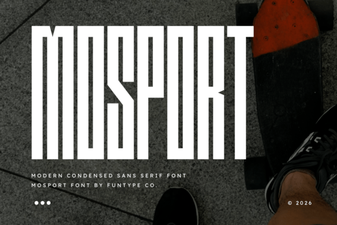 Mosport Font: Free Retro Racing Font for Designers
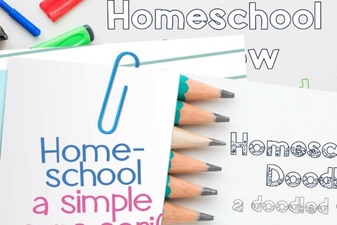 Choose the Right Homeschool Font for Your Projects
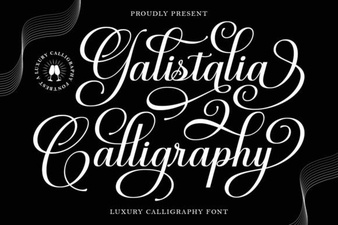 Galistalia Font: Creative Lettering & Design Projects
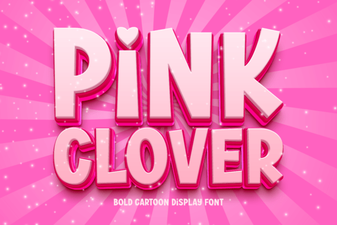 Pink Clover Font: Elegant Design for Creative Projects
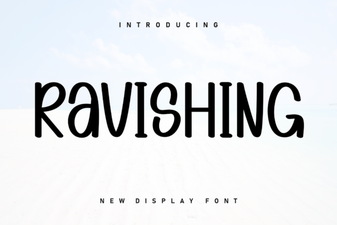 Ravishing Fonts for Creative Projects & Design Impact
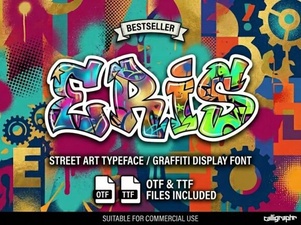 Eris Font: a Creative Design Asset