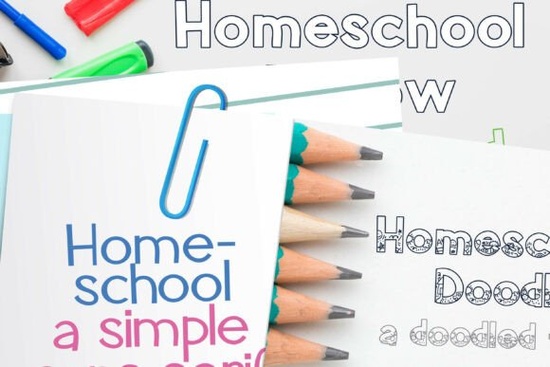
When you are creating materials for children, whether for a classroom setting or a print-on-demand store, readability matters just as much as style. You need typography that feels friendly without sacrificing clarity. The Homeschool Font family offers a solution that bridges the gap between serious learning tools and playful design. It is built to handle everything from worksheet headers to t-shirt graphics, giving creators a versatile tool that works across different media.
This typeface stands out because it does not rely on a single style. Instead, it provides multiple variations within one family. You get crisp geometric sans-serif letterforms that come in clean monoline outlines, simple filled silhouettes, and intricately hand-drawn inner doodle pattern paths. These details integrate stars, smiley faces, and tiny pencil sketches straight into the character bodies. This level of detail means you do not always need to add extra graphics to make a design feel complete.
What kind of projects work best with this style?
Designers often ask where a font like this fits best in a commercial workflow. Because the letters contain built-in illustrations, they are perfect for projects where simplicity is key. For example, if you are designing children's coloring book covers, the outline version allows kids to see the shape clearly while the doodle versions add instant interest. Teachers creating independent classroom assets can use the filled silhouettes for high-contrast handouts that print well on standard home printers.
Small business owners selling custom educational apparel will find the bold weights useful for heat transfer vinyl. The geometric structure ensures that even when cut into small sizes, the letters remain legible. Social media managers can also use the header styles to create high-impact posts that stop the scroll without looking cluttered. If you are looking for other clean sans-serif options for similar projects, there are several alternatives available, but few include the built-in pattern paths found here.
How does it compare to other playful typefaces?
Choosing the right typography often comes down to the specific mood you want to convey. Some designers prefer a bouncier, more irregular look for kids' products. If that is what you need, you might explore playful styles like Luckies which offer a different kind of energy. However, if your brand relies on structure and modern youth merchandise styling, the geometric foundation of this family is more appropriate.
It is also worth considering how the weight sits on the page. Heavier geometric fonts can sometimes feel too industrial. This family avoids that by softening the edges with hand-drawn elements. For those who prefer strictly structural designs without the doodles, geometric choices such as Mosport might be worth reviewing. However, for educational contexts, the added whimsy helps engage younger audiences without distracting from the text.
You can view the full range of styles for Homeschool Hollow to see how the different weights interact. Seeing the characters side-by-side helps you decide which variation fits your specific layout needs.
Can you mix this with other typography?
Pairing fonts is a common concern for crafters who want to create professional-looking bundles. Since this family is a display typeface, it works best when paired with a simple serif or a neutral sans-serif for body text. Avoid using it for long paragraphs because the decorative elements can become visually noisy over time. Use it for headlines, pull quotes, or accent words.
When preparing files for print, always check the licensing terms. Most assets on creative marketplaces allow for commercial use on physical end products, but digital resale rules vary. Ensure you understand the difference between selling a printed shirt and selling a digital file containing the font itself. Proper licensing protects your shop and respects the original creator's work.
Practical Checklist for Using Display Fonts
Before you finalize your design file, run through these quick steps to ensure quality:
- Check Legibility: View your design at 100% zoom to ensure the inner doodles do not disappear at smaller sizes.
- Test Contrast: If using the outline version, make sure the background color provides enough contrast for the strokes to be visible.
- Verify Licensing: Confirm your license covers your specific use case, especially for print-on-demand services.
- Pair Carefully: Use a simple secondary font for body text to let the display typeface stand out.
- Export Correctly: Save your final artwork as a high-resolution PNG or PDF to maintain the crisp edges of the geometric shapes.
Taking these steps ensures your final product looks professional and meets the expectations of your customers or students. With the right preparation, this typeface can become a staple in your design toolkit for years to come.
Explore Design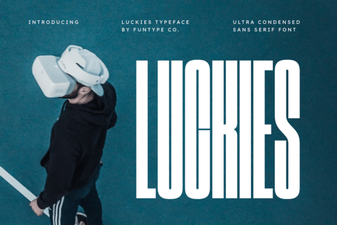 Luckies Font: Free & Fun Typography for Creative Projects
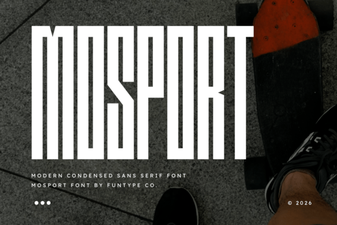 Mosport Font: Free Retro Racing Font for Designers
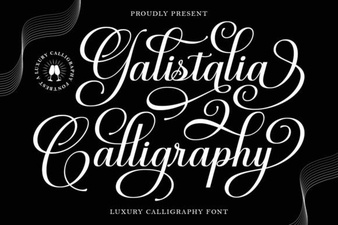 Galistalia Font: Creative Lettering & Design Projects
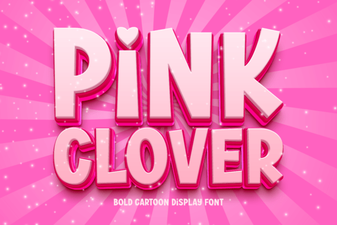 Pink Clover Font: Elegant Design for Creative Projects
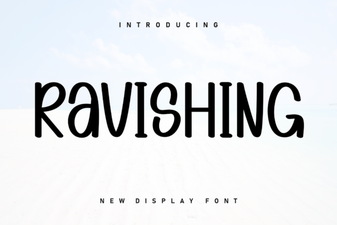 Ravishing Fonts for Creative Projects & Design Impact
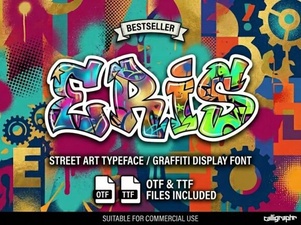 Eris Font: a Creative Design Asset