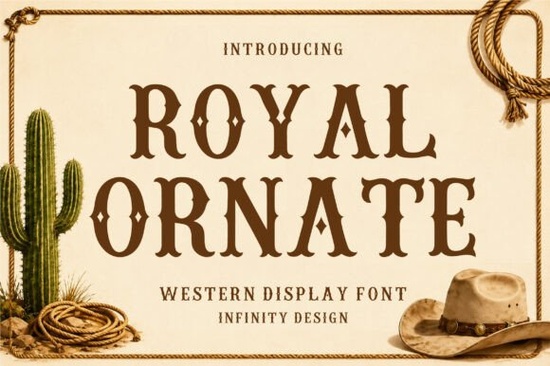
When you need a typeface that instantly communicates a rugged, vintage vibe, finding the right display option can make or break your project. The Royal Ornate Font is designed specifically for this purpose. It combines bold structures with decorative details that feel authentic to the Wild West era. Whether you are creating a logo for a barbecue restaurant or designing packaging for a craft beer, this style offers the character needed to stand out on a shelf or screen.
Many designers struggle to find fonts that balance readability with strong thematic elements. Often, decorative typefaces become too difficult to read at smaller sizes, or they look too generic. This specific style avoids those pitfalls by maintaining clear letterforms while adding just enough flair to catch the eye. It works well for headlines, signage, and any project where you need to establish a specific mood quickly.
What Makes Western Display Fonts Effective for Branding?
Choosing a font like this isn't just about aesthetics; it is about communication. When customers see a cowboy-inspired typeface, they immediately associate it with qualities like tradition, durability, and authenticity. This is why these fonts are popular among small businesses selling handmade goods, rustic furniture, or outdoor equipment. The visual language speaks before the customer even reads the words.
For example, if you are selling artisanal hot sauce, using a clean sans-serif might feel too modern or corporate. A bold display font with vintage details suggests a recipe that has been passed down through generations. It adds a layer of storytelling to your branding without requiring extra copy. You can see similar effects in other styles, such as the playful curves found in Holla Molli, which offers a different kind of personality for lighter projects.
Which Projects Benefit Most from Rustic Typography?
While the primary use case is often related to Western themes, the utility of these fonts extends further. Any project requiring strong visual impact can benefit from this weight and structure. Here are some common applications where this style shines:
- T-shirt Designs: The bold strokes remain visible even when printed on textured fabric.
- Event Invitations: Weddings or parties with a rustic theme need typography that matches the decor.
- Packaging Labels: Jars, boxes, and bags look premium with custom lettering.
- Signage: Physical signs need high contrast to be read from a distance.
- Merchandise: Mugs, hats, and tote bags benefit from unique typography.
It is important to match the font to the medium. For digital ads, ensure the decorative elements do not pixelate at smaller resolutions. For print, verify that the fine details will not get lost during the printing process. If you need something softer for a nursery project, you might explore options like Baby Boy, which caters to a gentler aesthetic.
How Do You Pair Decorative Fonts with Body Text?
A common mistake is using a heavy display font for long paragraphs. This style is intended for headings and short phrases. To create a balanced layout, pair it with a simple sans-serif or a clean serif for the body copy. This creates contrast and ensures readability. The decorative font draws attention, while the simple font delivers the information.
When experimenting with combinations, keep the mood consistent. If your headline is rugged and vintage, a ultra-modern geometric font might clash. Instead, look for body fonts that have a humanist touch. You can also experiment with other display options for secondary headers. For instance, Tattelova offers a different decorative style that could work well for subheadings without competing for attention.
What Should You Consider Before Downloading?
Before adding any new typeface to your library, check the license terms. Some fonts are free for personal use but require a commercial license for client work. Always verify this to avoid legal issues down the line. Additionally, check the file formats included. OTF and TTF are standard, but web fonts are necessary if you plan to use the typeface on a website.
It is also helpful to look at the glyph set. Does it include multilingual support? Are there alternate characters or ligatures that add variety to your designs? Having access to swashes or alternate letters allows you to customize logos further. For a feminine touch in your projects, you might compare these options with something like Pink Clover to see how different styles handle decorative elements.
Practical Tips for Implementation
Once you have selected your typeface, test it in context. Mock up your design on a real-world object, such as a shirt or a store front, to see how it performs. Lighting and material can change how the letters appear. Adjust the tracking and leading to ensure the letters breathe properly. Tight spacing can make decorative fonts look muddy, while too much space can break the visual connection between letters.
Remember that less is often more. You do not need to use every decorative element available. Sometimes, using the standard characters provides a cleaner look that still retains the theme. Save the extra flourishes for special occasions or specific letters within a logo.
Design Checklist
- Verify commercial license terms before client use.
- Pair with a simple, readable body font.
- Test legibility at different sizes.
- Check for multilingual character support.
- Mock up designs on actual materials.
- Adjust spacing to prevent visual clutter.
Start by downloading a few options to test in your current workflow. Compare how they look against your existing brand colors and imagery. The right choice will feel like a natural extension of your project's identity.
Learn More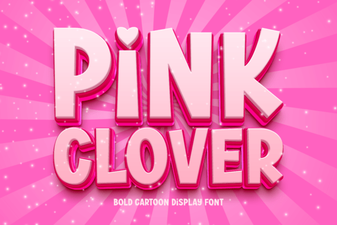 Pink Clover Font: Elegant Design for Creative Projects
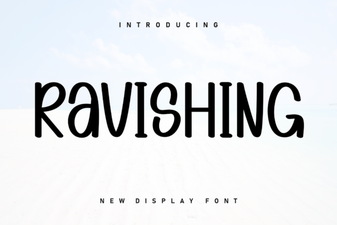 Ravishing Fonts for Creative Projects & Design Impact
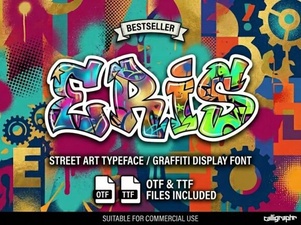 Eris Font: a Creative Design Asset
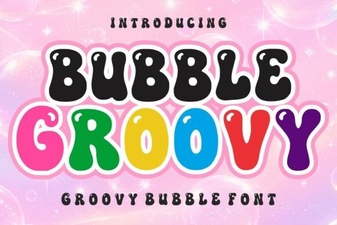 Bubble Groovy Font Design & Creative Applications
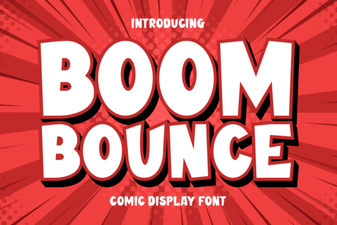 Boom Bounce Font: a Guide to Dynamic Design
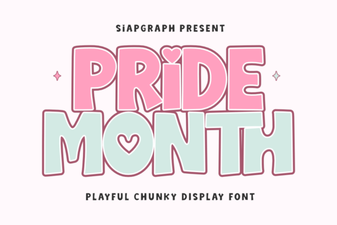 Creative Font Designs for Your Pride Month Projects